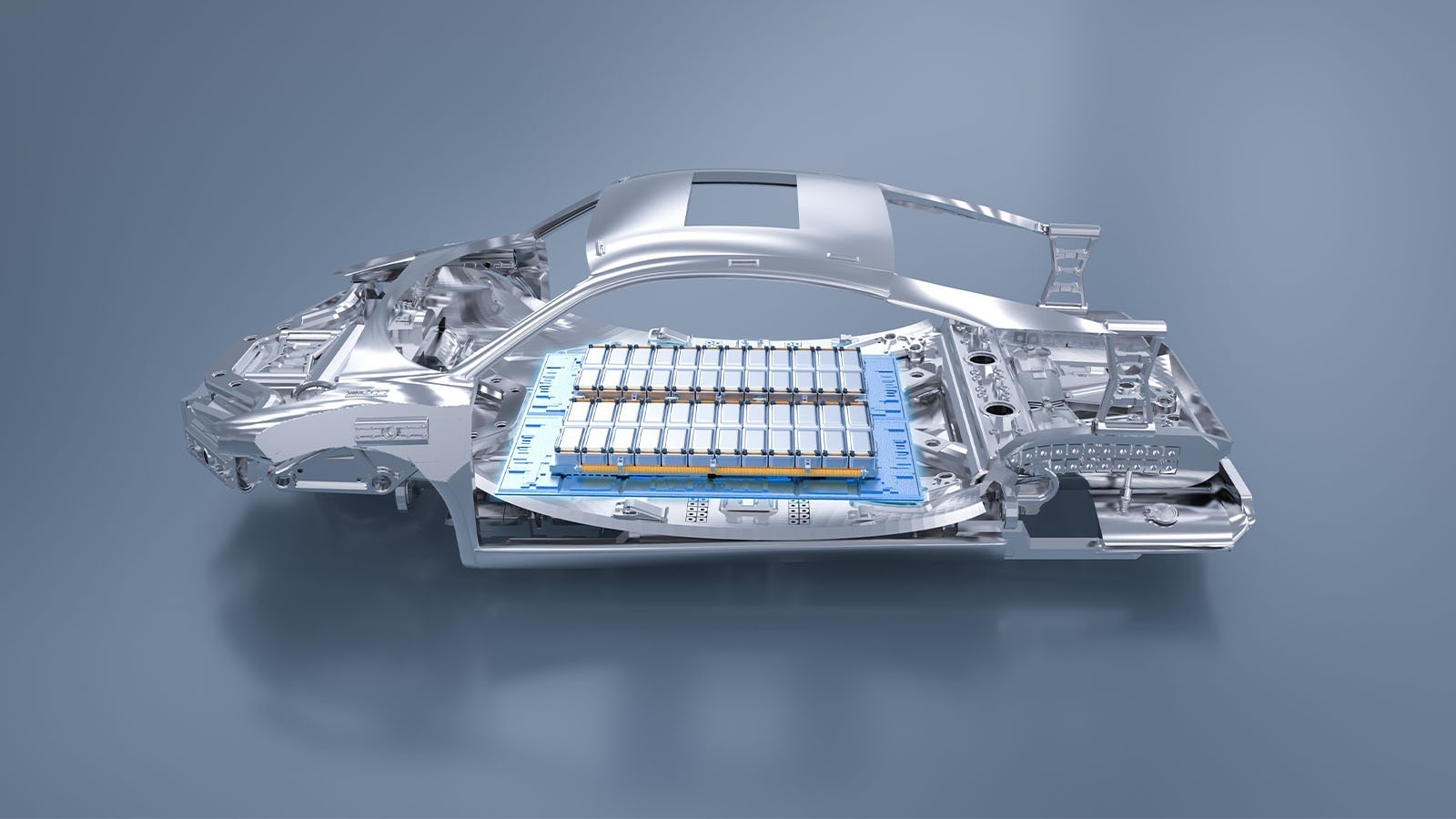
Electrified and alternative fuel architectures demand a fundamentally different structural strategy. Battery systems, fuel cells, crash energy paths, and mixed-material construction must be resolved as a single integrated system.
Contechs addresses this through proprietary structural development IP, advanced digital toolchains, and expert-led engineering execution.
Our integration-driven process combines high-fidelity CAE, topology optimisation and digital tolerance modelling within a unified workflow, ensuring that packaging, crash performance, stiffness targets, and manufacturability are evaluated simultaneously before geometry is fixed.
The differentiation lies not only in the tools, but in how they are governed. Highly trained Contechs design and CAE engineers translate optimisation data into executable structure. Simulation outputs are directly connected to material selection, joining strategies and assembly feasibility, ensuring digital decisions convert into production-ready architecture.
For electrified platforms, this means battery protection, thermal interfaces and load paths are engineered into the core body structure from the outset, avoiding costly downstream redesign.
The result is scalability and right-first-time body structures on a global scale, delivered through Contechs’ proprietary process IP, advanced digital engineering capability, and experienced technical leadership.
Paul Card, Body, Chassis and Exterior Director at Contechs:
“Electrified and alternative fuel platforms demand a different structural mindset. It’s not simply about strength, stiffness or lightweighting — it’s about how the structure enables the total vehicle system. By embracing the latest digital toolsets and operating an integration-led approach, we deliver high-performance structural solutions that scale efficiently across vehicle platforms.”